The first manuscript I ever wrote was a project I chose because I thought it would be a relatively easy way to get my feet wet. I wanted to tell the kind of story I’d grown up with. I envisioned idyllic pacing that built to a drum roll, characters with surprising depth, and unforeseen peril.
It may be that none of this is interesting to kids nowadays. It certainly wasn’t interesting to me, when I came back to the story three years and three more manuscripts later.
The story is called The Magician on Anise Street. It’s about a boy named Dylan Frenkel who is forced to move to a new town, and then thrilled to discover monsters there. But the opening of the story does not match this description. In the original draft, I kept tight to Dylan’s perspective, and he uncovers the strangeness of his new home one puzzle piece at a time.
This was a mistake on my part. Instead of being drawn into the story, the reader was limited by Dylan’s ignorance. I compounded my mistakes by using the opening to establish Dylan’s home circumstances and the loss he was experiencing: the family woes behind their sudden move.
The original opening paragraph:
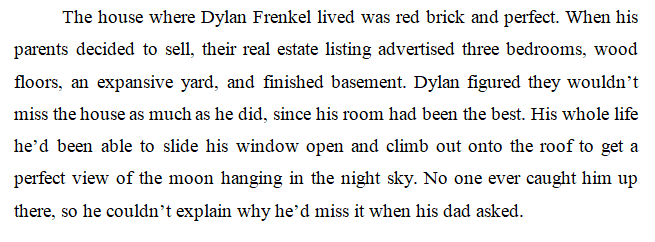
I spent a long time retooling this paragraph to succinctly establish that Dylan loved his home and lost it. But this was not the most interesting story I could be telling. Especially not for the intended middle grade audience. Worst of all, the opening pages were too preoccupied with the Frenkel family’s history. I chose to use the space to describe the father, Frank Frenkel’s, battle with disability, and the impact that had on his sons and wife.
In short, I committed the sin of focusing on backstory. I told the reader about the Frenkels instead of showing them. This only went on for two and a half pages, but in a middle grade book—or in a query letter—that’s long enough to lose the reader’s interest.
Rereading The Magician on Anise Street with fresh eyes, it was obvious that you couldn’t guess where the story would go from the first chapter. I buried the lead and left the best parts unhinted at.
I knew I could tell this story better now. It wouldn’t even take me much time; the existing draft was only 51,000 words. So far, in three afternoons’ work, I’m 7k into revisions. Almost a fifth done.
The single most important change to the story was a change in perspective. Instead of tight third person, I went to third person omniscient. We’re still focused on Dylan, but the narrator knows things he doesn’t (and occasionally has opinions about them). This was something I’d always wanted to do, but building the skill to execute it took years of practice.
This is the new opening paragraph:
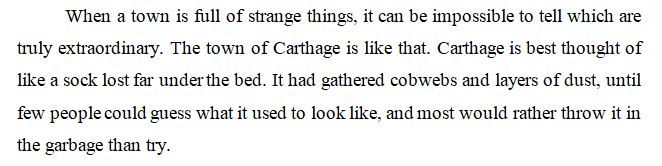
Much better, isn’t it? We know what we’re dealing with immediately. A town full of strange things left abandoned, waiting to be discovered. And that’s what the story is really about.
As I revise this story, I’m going to continue journaling the lessons I’ve learned and the progress I’ve made in implementing them. I hope I can save someone else the effort of trial and error.